Cherry Shrimp Not Molting: Causes & Fixes
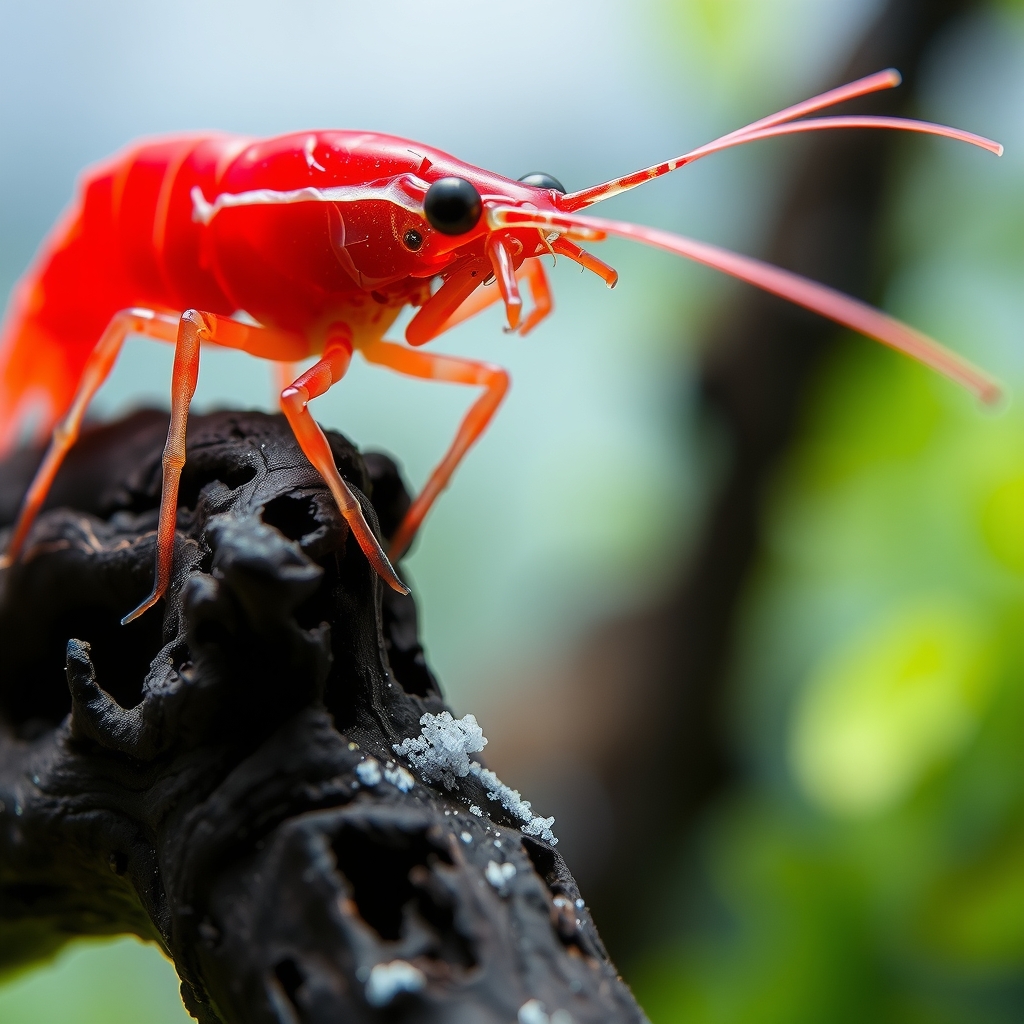
Cherry shrimp usually stop molting because their shell cannot break down, which typically means the water is too soft (low GH) or they are not getting enough minerals from their diet. If your shrimp look opaque but haven't shed in weeks, check your General Hardness (GH) immediately; they need a GH of 6–8°dH to build and shed a healthy exoskeleton.
It is easy to mistake "not molting" for "growing slowly." Adult shrimp molt much less frequently than juveniles—sometimes only once every 4 to 6 weeks. Before you panic, consider the age of your colony and whether you are simply missing the event, as most shrimp hide and molt overnight or when the tank is dark.
Check Your Water Hardness (GH)
The most common reason for a halt in molting is a lack of calcium and magnesium in the water. Neocaridina shrimp use the minerals dissolved in their water to construct their exoskeletons. If your GH drops below 4°dH, they may not have the raw materials to generate a new shell, so their body triggers a "hold" command to preserve what they have.
You need to test your water with a liquid test kit or a digital GH meter. If the number is low, you are not permanently stuck. You can raise GH by adding crushed coral, aragonite, or a dedicated shrimp mineral supplement to your filter. Aim for a stable range between 6 and 8 degrees. Stability is more important than the exact number—fluctuating GH can cause failed molts even if the average is correct.
For a deep dive into the specific numbers your tank needs, review the full breakdown on Neocaridina water parameters. Keeping these numbers steady prevents most long-term health issues.
Are You Actually Missing the Molts?
Shrimp are vulnerable when they are soft. Their instinct tells them to hide immediately when they feel the old shell loosening. If you have a dense planted tank with plenty of moss or driftwood, your shrimp are likely molting successfully where you cannot see them.
Look for the evidence. You should find empty, transparent exoskeletons (exuviae) that look like perfect, ghost-like replicas of your shrimp. If you find these, your shrimp are molting fine—you just missed the show. If you never find these, even after checking under rocks and in the filter intake, then you have a genuine problem.
Dietary Deficiencies: Iodine and Minerals
While water hardness provides the bulk of the minerals, diet fills in the gaps, specifically regarding trace elements like iodine. Iodine helps regulate the hormones that trigger the molting process.
High-quality commercial shrimp foods usually contain the correct balance of these minerals. However, if you are only feeding low-quality flakes or blanched vegetables like spinach and zucchini, your shrimp might be missing specific trace nutrients.
To fix this:
- Switch to a food specifically labeled for shrimp or invertebrates.
- Occasionally offer mineral-rich foods like snowflake food, mulberry leaves, or cuttlebone.
- Be very careful with liquid iodine supplements. It is easy to overdose. A tiny amount goes a very long way, and too much iodine is toxic. For most keepers, improving the food source is safer than dosing the water column.
Temperature and Metabolism
Temperature controls the speed of a shrimp's metabolism. In cooler water, around 70°F (21°C), shrimp grow slower and molt less frequently. In warmer water, 78–80°F (26–27°C), their metabolism accelerates, they eat more, and they molt more often.
If your tank is on the cooler side, your shrimp might just be operating at a slower pace. This is not necessarily bad—cooler water holds more oxygen and can reduce stress—but it does mean longer intervals between sheds. Be careful not to chase heat, though. Temperatures above 82°F can cause stress and symptoms of overheating, which will eventually shut down molting anyway.
Old Age and Senescence
n If your colony is well-established, you may have shrimp that are simply old. A cherry shrimp typically lives for 1 to 2 years. Once they reach full adulthood (around 4–6 months old), their growth rate slows down significantly. They no longer need to molt to expand their size; they only molt to repair damage or replace worn shells.
An old shrimp might molt once every two months or even less frequently. As long as they are active, eating, and have full, opaque stomachs, this reduced frequency is normal. There is no "fix" for old age, but these shrimp are still valuable members of the colony.
The Safe Way to Trigger a Molt
If you have corrected your water parameters and diet but still see no progress, you can try to simulate a seasonal change to trigger a molt. This mimics the rainy season in their natural habitat.
Perform a large water change—about 30 to 40%—using slightly cooler water than what is currently in the tank. A drop of just 2–3°F can signal to the shrimp that the season has changed, prompting a breeding and molting cycle. Ensure the new water matches the pH and GH of the tank to prevent osmotic shock.
Signs of a Stuck Molt
nWhile this article focuses on not molting, you must be aware of the opposite danger: getting stuck in a molt. If a shrimp tries to molt but lacks the energy or mineral reserves to complete the shed, they will die. You will see the white ring of death at their neck—the old shell is partially detached but will not come off. If you see this, the problem is usually critical, but preventing it starts with the same steps: increase GH and improve diet.
Common questions
How often should cherry shrimp molt?
Juvenile shrimp molt every 1 to 2 weeks as they grow rapidly. Adult shrimp molt much less frequently, typically every 3 to 6 weeks, mainly to repair their shell rather than to grow.
Can I use cuttlebone to help my shrimp molt?
Yes, cuttlebone is an excellent source of calcium. It slowly raises the GH and provides a grazing surface for shrimp. However, it does not provide magnesium, so you still need to test your GH to ensure you are hitting the correct balance.
Why did my shrimp die after not molting for a long time?
If a shrimp goes too long without molting, the old shell can become too constricting or damaged, leading to organ failure. Alternatively, if they attempt a molt without enough energy reserves, they may get stuck and die.