Osmotic Shock in Shrimp: Why Shrimp Die After Water Changes
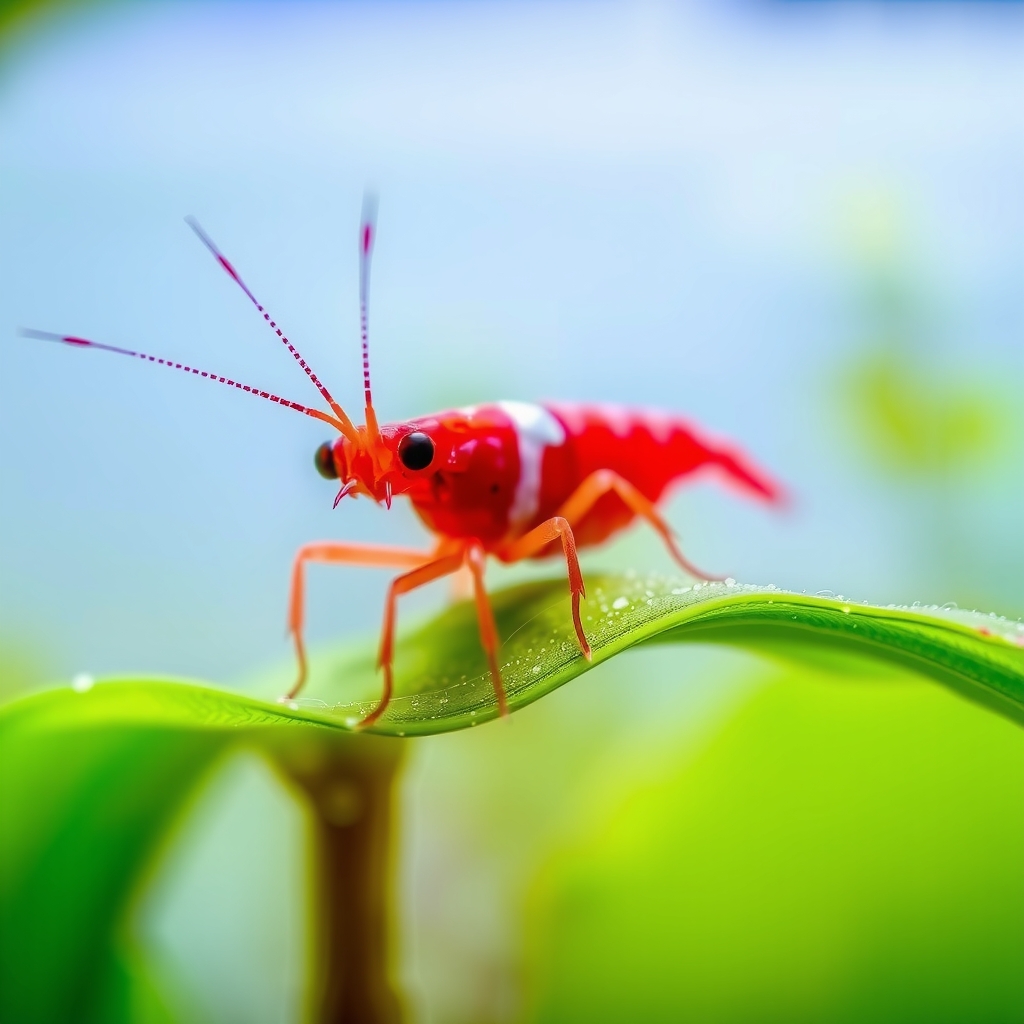
If you are seeing cherry shrimp curl up, turn opaque, or die within hours of a water change, the cause is almost always shock. Specifically, osmotic shock caused by rapid shifts in temperature, pH, or Total Dissolved Solids (TDS). Shrimp have virtually no internal mechanism to regulate the balance of salts and water in their bodies; they rely on the surrounding water staying consistent. When that consistency is shattered in minutes rather than hours, their systems crash.
The immediate step is to stop changing water. Do not perform another water change until you have tested the parameters of both your tap water and your tank water. You need to know exactly what changed before you add more liquid.
Temperature Shock
This is the most common killer. The water coming out of your tap is rarely the exact same temperature as your tank. If the difference is more than 2–3°F, you are risking casualties. A sudden drop in temperature slows their metabolism drastically, while a sudden spike speeds it up. Neither is good, but cold shock is frequently lethal because it prevents their gills from functioning correctly.
Always aim for the water going in to be within 1–2°F of the tank water. You do not need a heater for a 5-gallon bucket, but you do need a thermometer. Let the bucket sit in the same room as the tank for a few hours, or mix it with warm water until it matches. Do not guess; use a digital thermometer.
pH and Hardness Swings
Cherry shrimp (Neocaridina) are adaptable, but they cannot adapt instantly. If your tank water has drifted to a pH of 6.8 over weeks and you pour in water with a pH of 7.8, the sudden shift burns their gills and nervous system. This is often called "pH shock" or "Osmotic Shock."
The danger is higher if your tank has "Old Tank Syndrome," where the pH has slowly crashed due to accumulating waste and nitrate. The shrimp have adapted to the acidic water. When you do a massive 50% change with alkaline tap water, you swing the chemistry so fast it kills them.
Ideally, the pH of your source water should match the tank. Check your guide on Neocaridina water parameters for target ranges. If you cannot match the pH exactly, change less water at a time. A 10% change with mismatched pH is survivable; a 50% change often is not.
Chlorine and Chloramine
Municipal water supplies contain chlorine or chloramine to kill bacteria. These chemicals also kill shrimp. If you skipped the dechlorinator, used an expired bottle, or under-dosed, this is the cause. Death by chlorine is usually fast and brutal—shrimp may dart frantically before becoming lethargic and dying.
Chloramine is more stable than chlorine and does not evaporate off if you let water sit. You must use a water conditioner that specifically states it neutralizes chloramine. Follow the dosage instructions for the total volume of the tank, not just the amount of water you are replacing, to ensure the concentration remains safe.
TDS and Osmotic Regulation
Total Dissolved Solids (TDS) measures the amount of minerals and salts in the water. Shrimp use osmosis to balance their internal fluids. If your tap water has a TDS of 150 and your tank is at 300, the sudden drop in mineral concentration causes water to rush into their cells. Their cells literally burst from the inside out.
Conversely, going from low TDS to high TDS sucks the water out of their cells, causing them to shrivel. Ideally, match the TDS within 50 points. If your tap water is drastically different from your tank water, you may need to remineralize RO water or mix tap water with RO water to get a safe middle ground.
How to Perform a Safe Water Change
To prevent this from happening again, change your routine. Shrimp require a gentler touch than fish.
- Match the temperature: Use a thermometer. Be precise.
- Pre-treat the water: Add dechlorinator to your bucket before you pour it into the tank.
- Test the parameters: If you are unsure, test the TDS and pH of the bucket water vs. the tank water. If they are wildly different, only change 10–15% of the water volume instead of 30–50%.
- Go slow: Pour the water in slowly. Do not dump a bucket in at once; use a siphon or cup to gently add the water over 10–15 minutes.
If you have just lost shrimp, do not panic and change the water again to "fix it." You will likely compound the stress on the survivors. Test your water, verify the temperature matches, and wait a few days for the system to stabilize before attempting another change.
If the temperatures in your tank fluctuate wildly, you might be dealing with a heating equipment failure. Check our guide on symptoms of overheating to rule out heat stress as a compounding factor.
Common questions
Can I save shrimp that are already dying from shock?
Once shrimp are curling up and lying on their sides, the damage to their nervous system is usually irreversible. However, you can save the survivors by immediately stopping water changes, ensuring the temperature is stable, and adding an air stone to increase oxygen levels while they recover.
How long should I wait to do another water change?
Wait at least 3–4 days after a die-off. This allows the survivors to recover their strength and the biological filter to adjust. When you do change water again, perform a small volume (10%) to ensure the new parameters are safe.
Why did only my new shrimp die?
New shrimp are often wild-caught or kept in different water parameters at the store. If you did not acclimate them slowly (drip acclimation for 1–2 hours) before adding them to the tank, the sudden change from the store bag to your tank caused the shock, not the water change itself.