New Cherry Shrimp Dying in Established Tank?
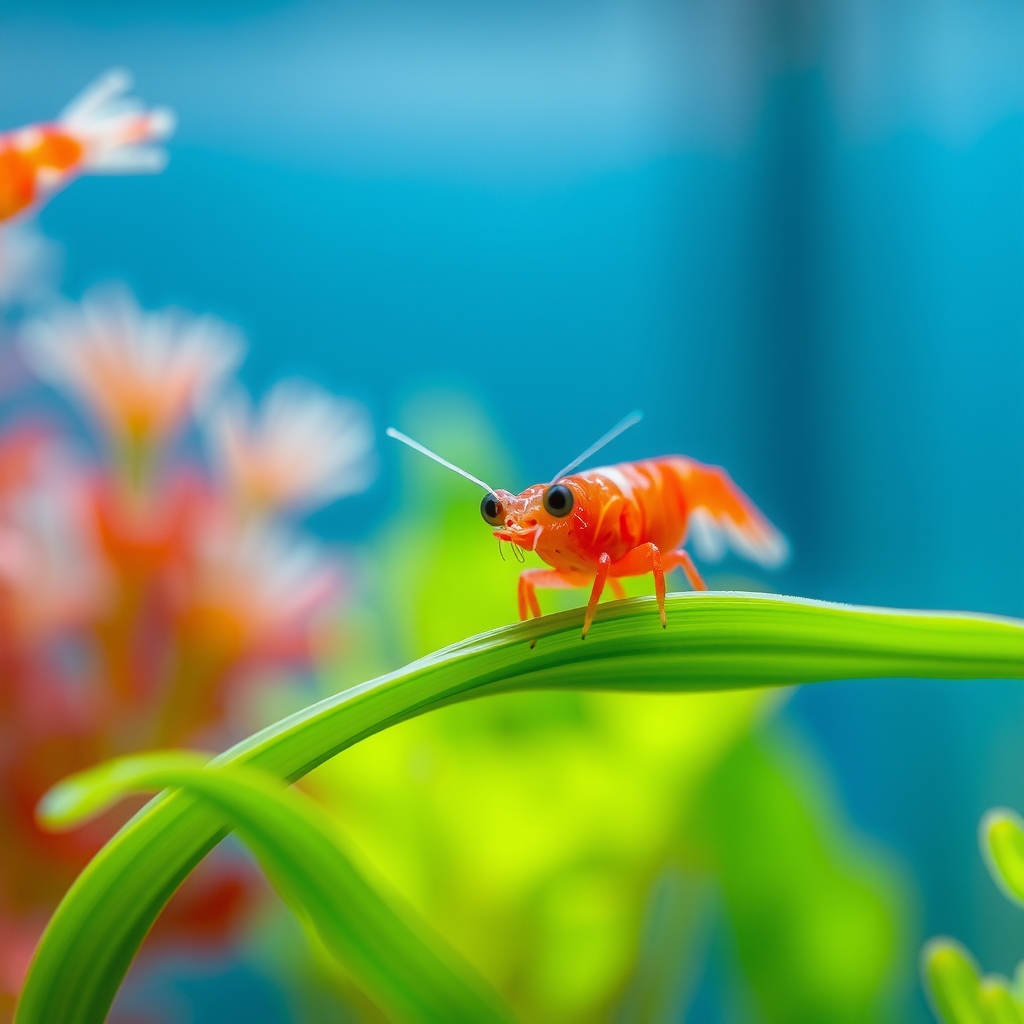
It is frustrating to watch your new cherry shrimp die one by one while your fish and existing tank mates act like nothing is wrong. Your tank is cycled, the ammonia is zero, and you have kept fish for years without this happening. The problem is almost never the cycle itself; it is a mismatch between the water the shrimp were born in and the water in your tank.
Most deaths within the first 72 hours are caused by osmotic shock or pH shock. Shrimp are far more sensitive to sudden changes in water chemistry than fish are. While a neon tetra might survive a "float and dump" acclimation, a cherry shrimp often cannot. Here is how to diagnose why they are dying and how to save the survivors.
The Most Likely Culprit: Acclimation Shock
If the deaths started immediately after introduction or within the first 24 hours, acclimation shock is the primary suspect. Shrimp regulate their internal salt balance based on the surrounding water. When the Total Dissolved Solids (TDS) or hardness of your tank differs drastically from the bag water, their cells either absorb too much water or release too much fluid.
Floating the bag for temperature is not enough. You must match the water chemistry slowly.
How to Drip Acclimate Correctly
Do not use the "cup and scoop" method. You need a drip line.
- Float the sealed bag in the tank for 15 minutes to equalize temperature.
- Open the bag and gently pour the shrimp and the bag water into a clean bucket or pitcher. Do not pour tank water into the bag.
- Set up a siphon using airline tubing from your tank to the bucket. Tie a loose knot in the tubing to regulate flow.
- Aim for a drip rate of 1–2 drops per second.
- Let the water volume in the bucket double (usually takes 45–60 minutes). Then, remove half the water from the bucket and continue dripping for another hour.
This slow transition allows the shrimp to adjust their internal osmoregulation without crashing.
Parameter Mismatch: pH and Hardness
Even with a slow acclimation, you cannot bridge a massive gap. If the store keeps their shrimp in pH 6.5 water with 120 TDS, and your tank is pH 8.0 with 300 TDS, you may still lose shrimp despite careful dripping. They can adapt to your parameters, but they need time to do it gradually over generations or via a very slow, weeks-long transition in a quarantine tub.
If you are losing shrimp, test your tap water and the store’s water. If the difference is huge, you need to find a breeder whose water matches yours, or adjust your own parameters slowly before buying new stock. We have a full guide on Neocaridina water parameters that outlines the safe ranges.
Old Tank Syndrome: The Silent Killer
An "established" tank isn't always a safe one if it hasn't been maintained regularly. If you haven't done a water change in months, the pH in your tank may have slowly crashed (dropped significantly) due to the buildup of organic acids and nitrate.
Your existing fish have adapted to this slow change over time. New shrimp, coming from a stable environment with a pH of 7.5, are suddenly dropped into water with a pH of 6.0. The shock is fatal.
Test your pH immediately. If it is below 6.5 without you intentionally keeping it that way, perform a 50% water change to bring the hardness and pH back up. Do this slowly, over the course of a day, to avoid shocking the fish.
Tankmate Predation
Sometimes the shrimp aren't dying of natural causes; they are being hunted. Even in an established tank, fish that seemed peaceful may decide a new, small shrimp is a snack.
Check your tank late at night with a flashlight. Look for fish picking at the substrate or harassing the shrimp. Common culprits include:
- Bettas: They are hunters. Putting shrimp in with a betta is risky.
- Gouramis: Often pick at antennae and legs.
- Crayfish: Will catch and eat shrimp regardless of size.
If you see aggression, you need to separate the shrimp or move the aggressor. A dense carpet of plants (like Java Moss or Monte Carlo) provides essential hiding spots where shrimp can molt in safety.
Copper or Contaminants
Double-check everything that has entered the tank in the last week.
- Medications: Did you treat the fish for ich or parasites recently? Many fish meds contain copper, which is lethal to invertebrates.
- Fertilizers: Some liquid fertilizers contain copper or other heavy metals. Ensure they are labeled "shrimp safe."
- Tap water: Did your water company recently change how they treat the local supply? A sudden spike in chloramines or heavy metals in the tap can kill sensitive inverts instantly. Always use a high-quality dechlorinator that binds heavy metals.
What to Do With the Survivors
If you still have shrimp alive after 48 hours, they have likely survived the initial shock. Their acclimation is not over, though. Keep the lights dim for a few days to reduce stress. Feed high-quality food sparingly—boiled spinach, blanched zucchini, or a reputable commercial shrimp pellet. Overfeeding fouls the water, which weakens their immune system further.
If you continue to see deaths after the first week, check your nitrate levels. High nitrate (over 40 ppm) stresses shrimp, causing them to fail during molts. This is a common issue in established tanks with heavy bioloads but infrequent water changes.
Don't give up on the tank. Once you identify the mismatch—whether it is acclimation speed, pH crash, or a predator—you can correct it. Cherry shrimp are resilient breeders once they settle in.
Common questions
How long does it take for new shrimp to settle in?
It typically takes 1 to 2 weeks for new cherry shrimp to fully settle. You may see them hide constantly during this time. If they survive the first week without dying, they usually acclimate well.
Can I just float the bag and pour them in?
No. Floating only matches temperature. Pouring them in without a slow drip acclimation causes osmotic shock, which is the number one cause of death in new shrimp.
Should I remove dead shrimp from the tank?
Yes, immediately. A dead shrimp releases ammonia into the water quickly. In a tank with other shrimp, this spike can trigger a chain reaction of deaths.
Will my fish eat my cherry shrimp?
Many fish will. Small tetras are usually safe, but anything with a large enough mouth (like Gouramis, Angelfish, or Bettas) will likely eat them, especially during the night.